
This article contains affiliate links. If you purchase through these links, we may earn a small commission at no extra cost to you. This helps support our work and allows us to continue creating mindful, high-quality content.
A global ritual of rest, rooted in tradition
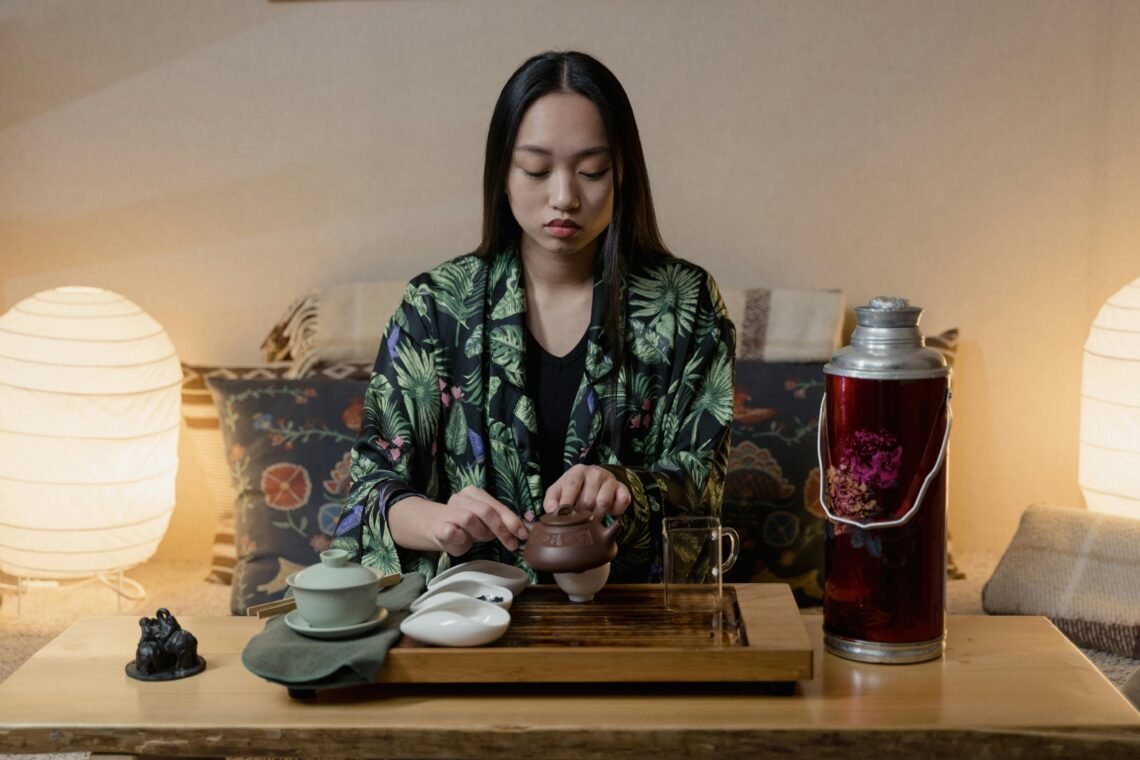
In cultures around the world, sleep has never been treated as something to force. Instead, it has been invited—through ritual, warmth, and gentle transitions from day to night. One of the most enduring tools in these traditions is herbal tea.
Long before sleep trackers, supplements, or productivity culture, people turned to plants. Leaves, flowers, roots, and seeds were brewed slowly, sipped intentionally, and trusted to guide the body into rest. These teas were not consumed to “knock someone out,” but to soften the nervous system, calm the mind, and signal safety to the body.
Today, as modern life pulls many of us toward constant stimulation, these ancient practices feel more relevant than ever.
This article explores five of the most effective calming teas for sleep, while also honoring the global cultures that have relied on herbal infusions for centuries. We’ll look at how these teas work, where they come from, and how to choose a blend that supports your own nightly rhythm.
Herbal Tea as a Global Tradition of Rest
Across continents and centuries, herbal tea has played a quiet but essential role in evening rituals.
In China, herbal infusions date back thousands of years. While green and oolong teas were consumed earlier in the day, non-caffeinated herbal blends—often made from chrysanthemum, jujube, or lotus seed—were used in the evening to cool the body and calm the spirit.
In Persian and Middle Eastern cultures, herbs like chamomile, rose, and lemon balm were brewed not just for sleep, but for emotional balance. Tea was often served after dinner, accompanied by silence, poetry, or prayer—an intentional slowing of the senses.
In Europe, especially in Germany and Eastern Europe, chamomile and valerian root became staples of nighttime routines. Apothecaries and households alike relied on these plants for nervous tension, restlessness, and insomnia.
In South America, indigenous cultures used passionflower and other native plants to ease anxiety and encourage deep sleep, particularly during periods of emotional stress.
And in Japan, although green tea dominates daytime rituals, caffeine-free herbal infusions like barley tea (mugicha) were traditionally consumed in the evening to hydrate and cool the body without overstimulation.
Despite geographic differences, the philosophy was shared: rest begins before sleep.
How Calming Teas Help You Sleep
Calming teas support sleep in subtle but meaningful ways. Unlike sleep medications, they don’t sedate the body. Instead, they work with natural systems already designed for rest.
Here’s how:
- Nervous system regulation
Many herbs support the parasympathetic nervous system, helping the body shift out of “fight or flight” mode. - Muscle relaxation
Certain compounds gently ease physical tension, making it easier to settle into stillness. - Mental quieting
Herbs like lemon balm and passionflower help reduce racing thoughts without dulling awareness. - Digestive comfort
A calm digestive system often leads to deeper, uninterrupted sleep. - Ritual signaling
The act of brewing and sipping tea itself tells the body that the day is ending.
When paired with consistent timing and a peaceful environment, herbal tea becomes more than a beverage—it becomes a cue for rest.
1. Chamomile Tea
Europe, Middle East
Chamomile is perhaps the most universally recognized sleep tea—and for good reason. Used for centuries across Europe, North Africa, and the Middle East, chamomile was traditionally given to children, elders, and anyone experiencing restlessness.
Its mild, apple-like flavor makes it approachable, while its calming properties gently ease both physical and mental tension.
Chamomile contains apigenin, a natural compound that binds to receptors in the brain associated with sleep and relaxation. Rather than forcing sleep, it encourages the body to slow down naturally.
Best for:
- Light sleepers
- Evening anxiety
- Building a consistent bedtime ritual
2. Valerian Root Tea
Europe
Valerian root has a long history in European herbal medicine, particularly in Germany and Scandinavia. Traditionally used during periods of nervous exhaustion, valerian is known for its stronger sedative qualities.
Unlike chamomile, valerian has an earthy, pungent aroma—often described as musky or woody. While not everyone loves the taste, many find it deeply effective.
Valerian supports sleep by increasing GABA, a neurotransmitter that reduces brain activity and promotes relaxation.
Best for:
- Difficulty falling asleep
- Stress-related insomnia
- Occasional use rather than nightly sipping
3. Passionflower Tea
South America
Native to the Americas, passionflower was traditionally used by Indigenous cultures to calm the nervous system during emotional distress. It later gained popularity in Europe as a natural remedy for insomnia and anxiety.
Passionflower is especially helpful for people whose sleep struggles are mental rather than physical—those who feel tired but mentally “wired.”
Its flavor is light and grassy, making it easy to blend with other herbs.
Best for:
- Racing thoughts
- Stress-induced sleep issues
- Sensitive nervous systems
4. Lemon Balm Tea
Mediterranean & Middle East
A member of the mint family, lemon balm has been used since ancient Greek and Roman times to lift mood and calm the heart. In medieval Europe, it was considered a longevity herb and often included in evening tonics.
Lemon balm gently reduces cortisol levels and supports emotional balance, making it especially helpful for sleep disrupted by worry or overstimulation.
Best for:
- Emotional restlessness
- Evening overstimulation
- Pairing with meditation or journaling
5. Lavender Tea
Mediterranean
Lavender is best known for its aroma, but it has also been consumed as a tea in Mediterranean cultures for centuries. Its floral flavor is delicate and soothing, often blended with chamomile or lemon balm.
Lavender helps calm the nervous system, reduce heart rate, and support deeper sleep cycles.
Best for:
- Sensory relaxation
- Evening rituals
- Pairing with breathwork or gentle stretching
Choosing the Right Tea for Your Night
There is no single “best” tea for sleep—only what works best for your body and rhythms.
If your sleep issues come from mental overstimulation, passionflower or lemon balm may feel supportive.
If your body feels tense and wired, chamomile or lavender may help you soften into rest.
If falling asleep feels nearly impossible, valerian can be used occasionally as a stronger ally.
Listening to how your body responds is key.
Top Calming Tea Picks With Product Links
1. Celestial Seasonings Sleepytime Herbal Tea
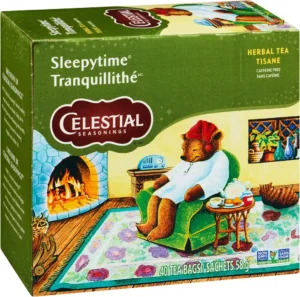
A classic bedtime blend that’s helped generations unwind. Chamomile, spearmint, and other herbs deliver a smooth taste and gentle calming effect.
Best for: A consistent nightly ritual
Pros: Easy to drink, widely loved (4.7★)
Cons: Might be mild for deeper sleep challenges
👉 Great all-around choice for nightly use.
2. Ahmad Tea Sleep Camomile, Honey & Lavender Teabags
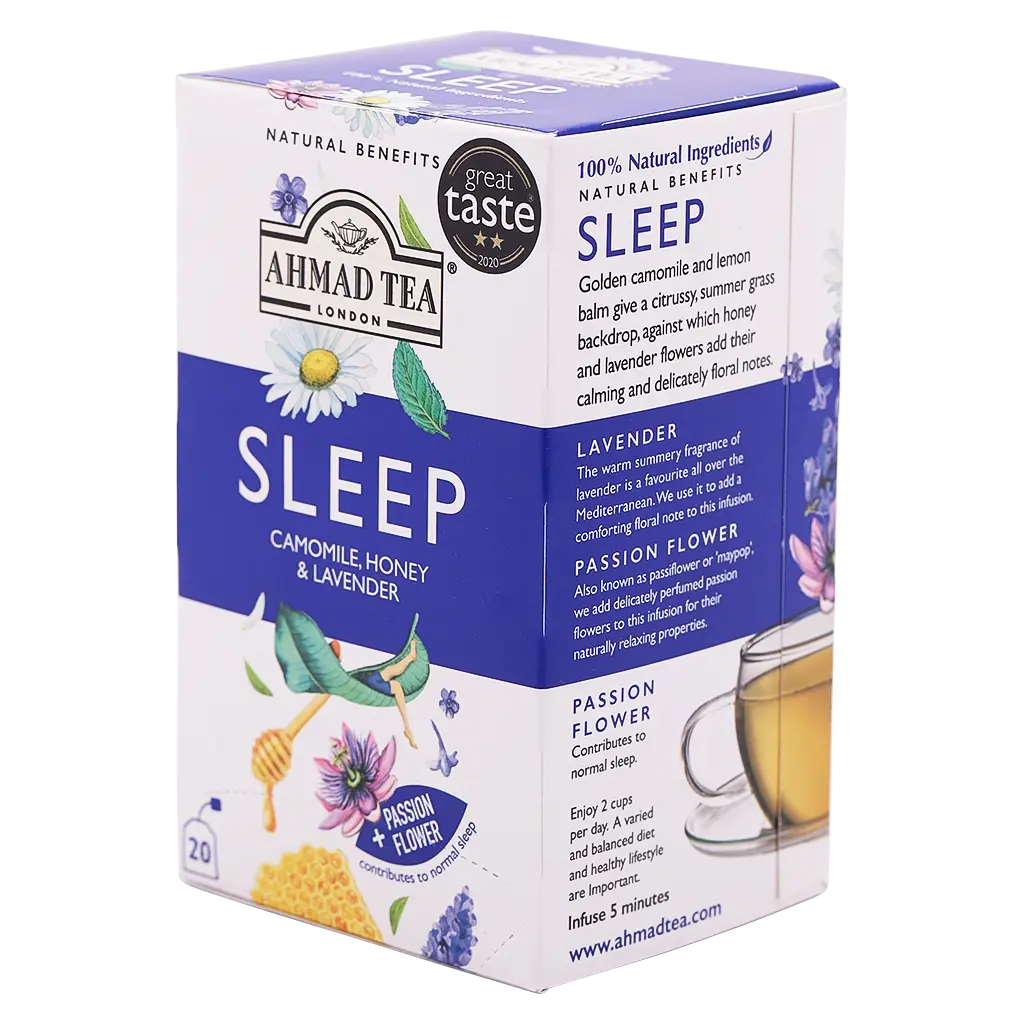
A beautifully fragrant, low-caffeine blend of calming herbs with floral notes. Its lavender and chamomile combination supports stress relief and relaxing evenings.
Best for: Aromatic bedtime wind-down
Pros: Excellent taste and strong calming aroma (4.9★)
Cons: Simple blend — may pair well with additional sleep habits
👉 Lovely for those new to sleep teas.
3. Sleep Tea for Bedtime – Calming Herbal Tea
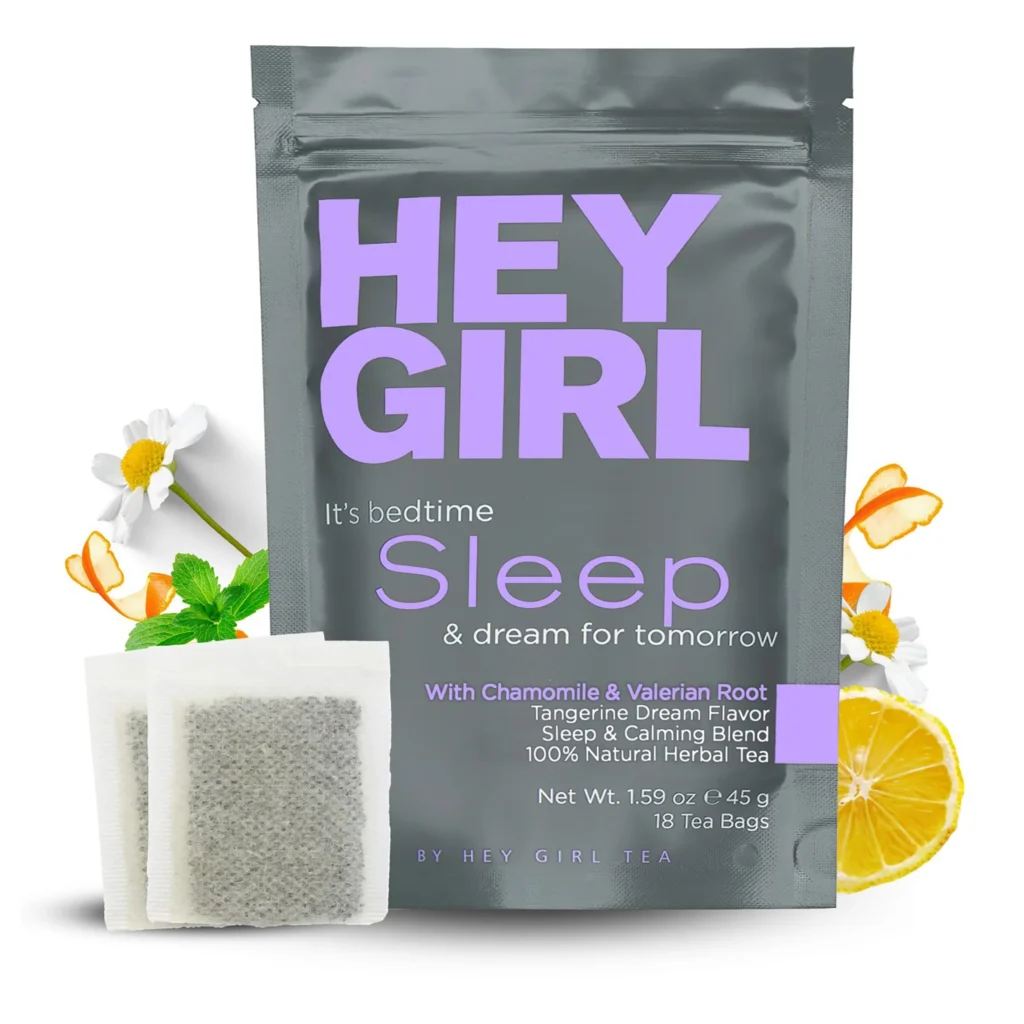
A more robust herbal formula that includes valerian root, chamomile, passionflower, and lemon balm — herbs traditionally associated with deeper relaxation.
Best for: Deeper relaxation and stress relief
Pros: Multi-herb support, ideal for restless evenings (4.5★)
Cons: Strong herbal aroma may be an acquired taste
👉 Great if a simple tea isn’t enough on its own.
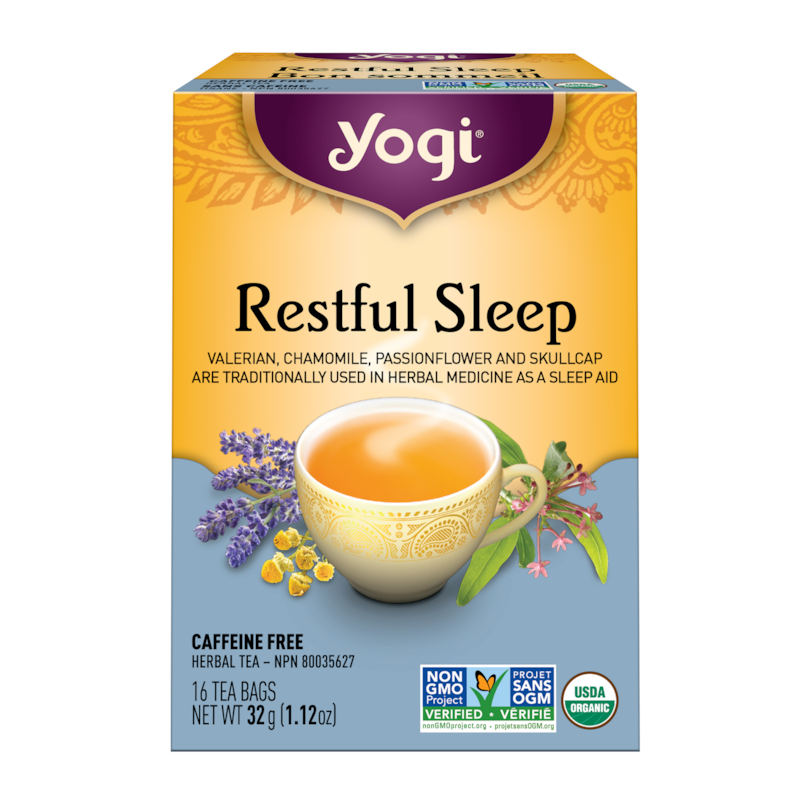
A budget-friendly option that’s still effective at promoting relaxation before bed. A gentle choice for those looking to try sleep tea without a large investment.
Best for: Introductory sleep teaBest for: A consistent nightly ritual
Pros: Affordable, gentle
Cons: Lower review volume than other options
👉 A practical first tea to test your routine.
5. Tetley Live Calm Camomile Spearmint Orange Herbal
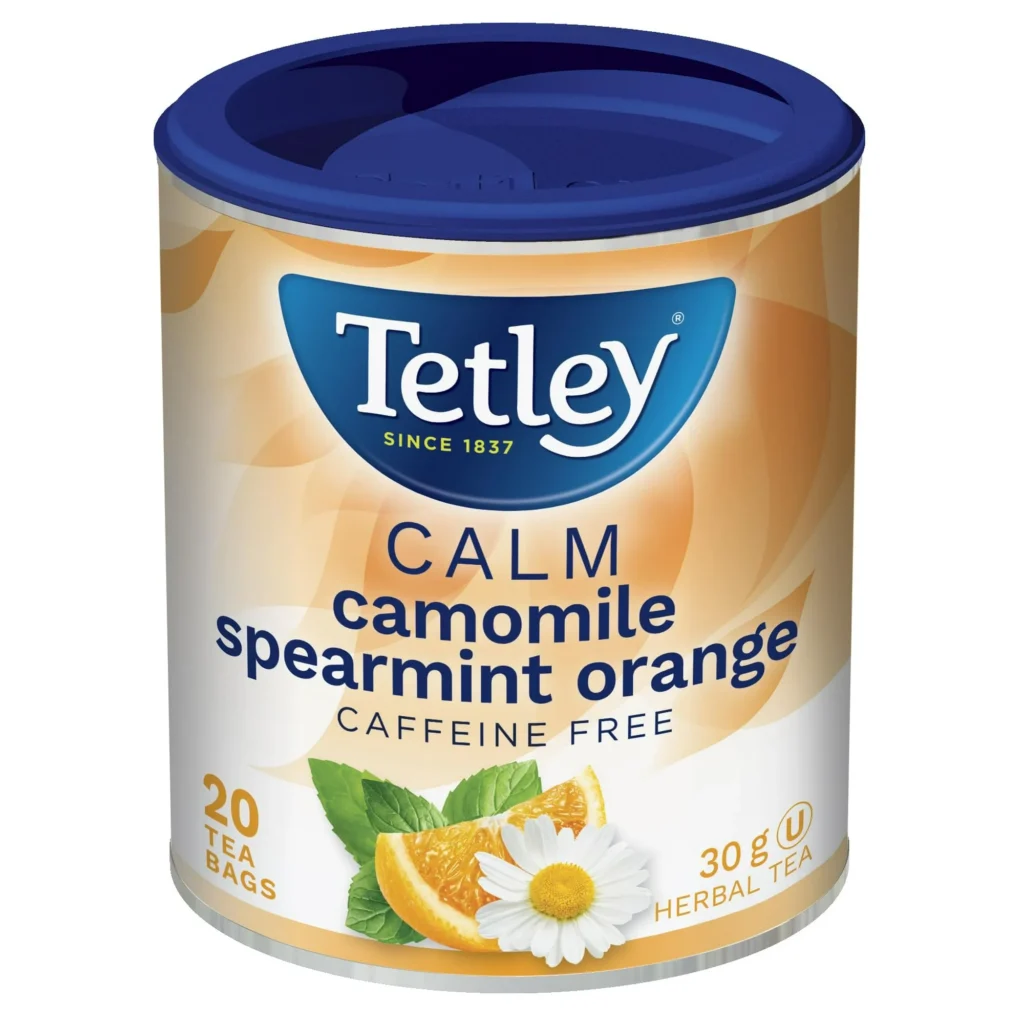
A classic calm blend with soothing citrus and mint notes. While not always on Amazon, this everyday tea is a calm favorite for many nighttime routines.
Best for: Everyday relaxation
Pros: Gentle citrus twist
Cons: Not specifically marketed as sleep tea
👉 A pantry-friendly calming option.
Creating An Evening Tea Ritual
Making tea a ritual — not a quick drink — makes it more effective:
- Brew 30–45 minutes before bedtime.
- Use warm, low lighting.
- Sip mindfully, without screens.
- Pair with calming activities like gentle stretching or journaling.
Ritual transforms function into practice — and practice shapes habit.
Conclusion
Herbal tea is one of the most gentle and enduring sleep support practices known to humanity. Whether rooted in Chinese, Middle Eastern, European, or indigenous traditions, the philosophy is consistent: rest is crafted through routine and calm.
Calming teas help guide your nervous system into a state of ease — not sedation — and when paired with intentional nightly habits, they can become a trusted part of your sleep approach.