This article contains affiliate links. If you purchase through these links, we may earn a small commission at no extra cost to you. This helps support our work and allows us to continue creating mindful, high-quality content.
Quality sleep is essential for physical health, emotional balance, and cognitive performance. Yet despite knowing how important it is, millions of people struggle with restless nights. Traditional sleep aids like medication can help, but many individuals seek natural, non-pharmaceutical solutions that align with a holistic lifestyle.
One such tool gaining popularity in the wellness space is the weighted sleep mask. But do these products actually improve sleep quality, or are they just a wellness trend?
In this evidence-based guide, we’ll explore:
- What a weighted sleep mask is
- The science behind how they work
- The potential benefits and drawbacks
- Who should (and should not) use them
- Top weighted sleep masks available on Amazon Canada in 2026
What Is a Weighted Sleep Mask?
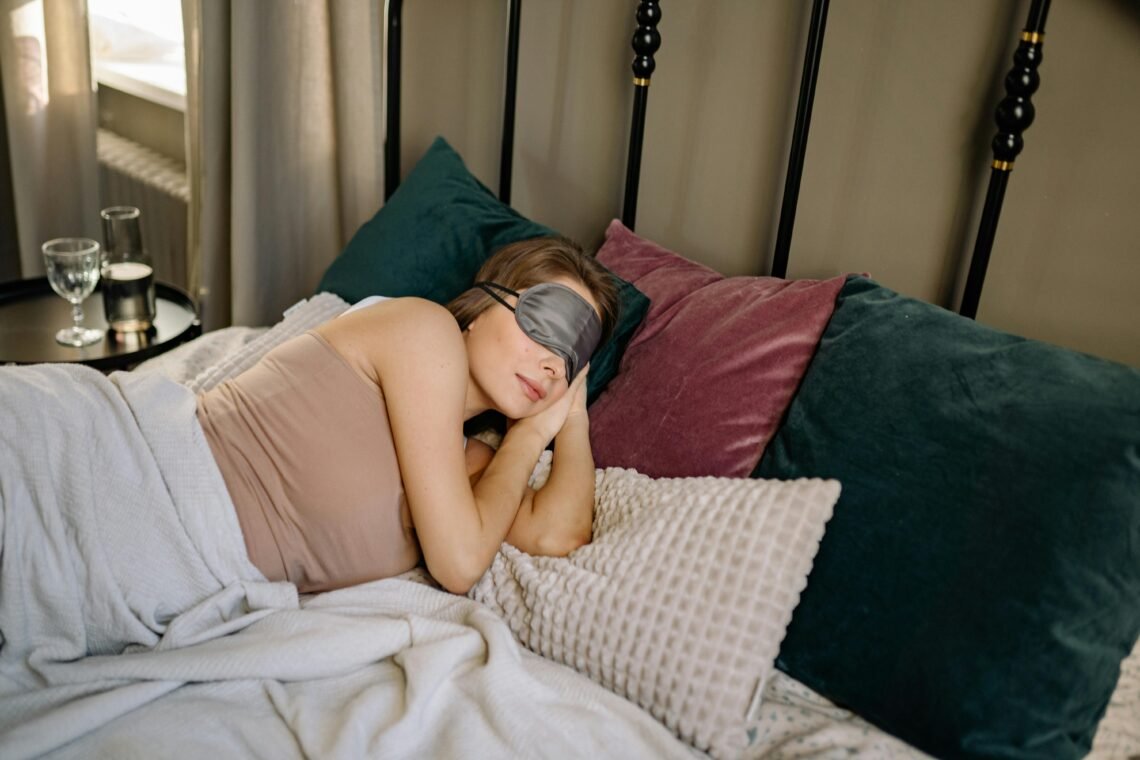
A weighted sleep mask looks like a traditional blackout eye cover but contains internal weights — typically glass microbeads, grains, or similar evenly distributed material — to provide gentle pressure across the eyes and surrounding areas.
This added weight is designed to provide deep pressure stimulation (DPS) — a tactile sensation similar to a hug or gentle touch — which may influence the nervous system and promote relaxation.
Weighted sleep masks usually feature:
- Soft, breathable fabric
- Washable covers
- Adjustable straps
- Distributed low-level weight for calming pressure
- Complete light blocking for melatonin support
Why People Use Weighted Sleep Masks
There are several reasons individuals choose a weighted sleep mask as part of their nightly routine:
- To block light more effectively than a standard sleep mask
- To reduce tension around eyes and forehead
- To support relaxation before sleep
- To enhance the calming effects of meditation or guided audio
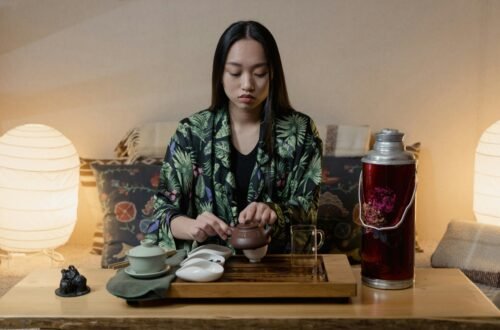
- To accompany other sleep aids like herbal teas or sleep headphones
Although the research is not yet extensive, the underlying theory is supported by findings in related areas such as deep pressure therapy and sensory modulation.
The Science Behind Deep Pressure Stimulation (DPS)
While research specific to weighted sleep masks is limited, studies in sensory science and sleep physiology provide insight into how gentle pressure affects the body.
How Deep Pressure Stimulation Works
Deep pressure stimulation — the same principle used in weighted blankets and therapeutic touch — is proposed to:
- Activate the Parasympathetic Nervous System
DPS signals the body to shift from “fight or flight” (sympathetic) to “rest and digest” (parasympathetic), which can lower heart rate and breathing, supporting sleep onset. - Reduce Cortisol Production
Cortisol is a stress hormone that interferes with sleep onset and deep sleep. Gentle pressure can help reduce cortisol levels over time. - Increase Serotonin and Melatonin
Serotonin is associated with feelings of calm, while melatonin is a hormone critical for the sleep–wake cycle.
These combined effects build a biological foundation for why weighted sleep masks may support better sleep when used consistently.
Does a Weighted Sleep Mask Improve Sleep Quality?
Studies on weighted blankets show measurable improvements in subjective sleep quality, reduced anxiety, and increased calm in clinical and non-clinical populations.
For example:
- Research in the Journal of Sleep Medicine indicates that pressure stimulation can improve feelings of restfulness and reduce wake after sleep onset.
- A study in Complementary Therapies in Clinical Practice found that weighted blankets helped reduce anxiety — a common sleep disruptor — without adverse effects.
Since weighted sleep masks apply similar pressure to the upper face and around the eyes, the fundamental mechanism is comparable. The difference is that masks combine light blocking with tactile pressure — potentially addressing two key contributors to sleep problems:
- Light exposure, which suppresses melatonin
- Stress and neural alertness, which delay relaxation
This does not mean weighted sleep masks are a guaranteed fix for every sleep issue, but they are becoming an increasingly well-studied tool within a holistic sleep hygiene framework.
Pros and Cons of Using a Weighted Sleep Mask
Pros
- Improved Relaxation and Calm
By stimulating the parasympathetic nervous system, weighted sleep masks can help reduce tension and mental stress before sleep. - Effective Light Blocking
Light exposure, even from small sources like alarm clocks or street lights, can reduce melatonin production. Weighted sleep masks often provide full blackout coverage. - Can Reduce Sleep Latency
Some users report falling asleep faster when wearing a mask consistently as part of their bedtime routine. - Non-Pharmaceutical
No medication, herbs, or supplements required — ideal for those wanting natural sleep aids. - Portable and Travel-Friendly
Great for travelers dealing with changing sleep environments or jet lag.
Cons
- Mixed Scientific Evidence
While related research supports the underlying mechanism, dedicated clinical trials on weighted sleep masks are still limited. - Pressure Sensitivity
Some individuals may find the weight uncomfortable, especially if sensitive around the face. - Temperature Concerns
Heavy fabric and enclosed design can feel warm, which may not be ideal for hot climates or those who overheat at night. - Not a Medical Device
Weighted sleep masks are not a treatment for diagnosed sleep disorders like sleep apnea, periodic limb movement disorder, or clinical insomnia.
Who Should Use a Weighted Sleep Mask?
Weighted sleep masks may be particularly helpful for people who:
- Are light sleepers
- Experience pre-sleep anxiety or racing thoughts
- Have environmental light disturbance
- Want a non-drug sleep aid
- Use audio or meditation as part of bedtime
- Often travel or face changing sleep environments
In practice, weighted masks often work best when used as part of a consistent sleep routine, combined with calming signals like:
✔ Dimming lights
✔ Reducing screen exposure
✔ Drinking a soothing non-caffeinated drink
✔ Following a nightly ritual
Who Should Avoid a Weighted Sleep Mask?
Weighted sleep masks are not suitable for everyone. Avoid or consult a doctor if you:
- Have glaucoma or high intraocular pressure
- Recently had eye surgery
- Experience severe claustrophobia
- Have certain sensory processing issues that make pressure uncomfortable
- Are children (unless pediatric professional guidance is provided)
These masks apply low-level pressure around the eye area — which is typically safe, but may be contraindicated in certain medical conditions.
Best Weighted Sleep Masks for Deep Sleep (2026)
Below are our top recommended weighted sleep masks , selected for comfort, quality, and user satisfaction.
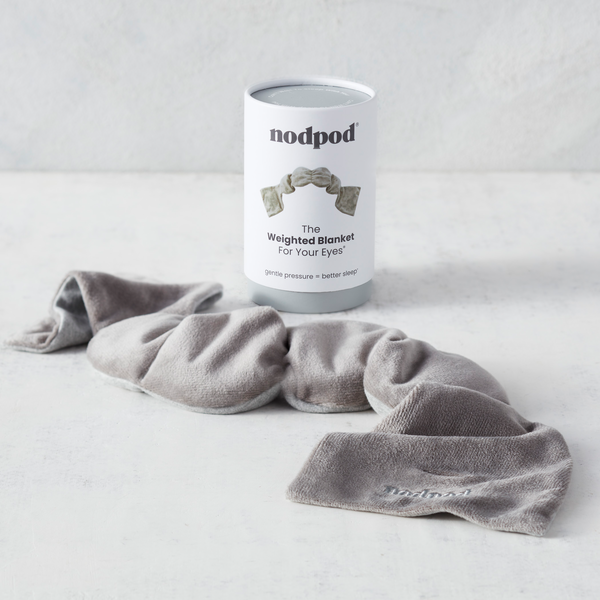
The Nodpod Weighted Sleep Mask combines patented distributed weight technology with soft fabric and blackout coverage. Its even pressure and ergonomic design help many users feel calmer before sleep.
Key Features
- Microbead filling for even pressure
- Blackout light blocking
- Breathable, washable material
Pros
- Excellent relaxation support
- Comfortable for extended wear
- Suitable for many sleep positions
Cons
- Premium price
- Slightly heavy for very sensitive sleepers
Best For: Anyone looking for a high-quality weighted mask intended for nightly use.
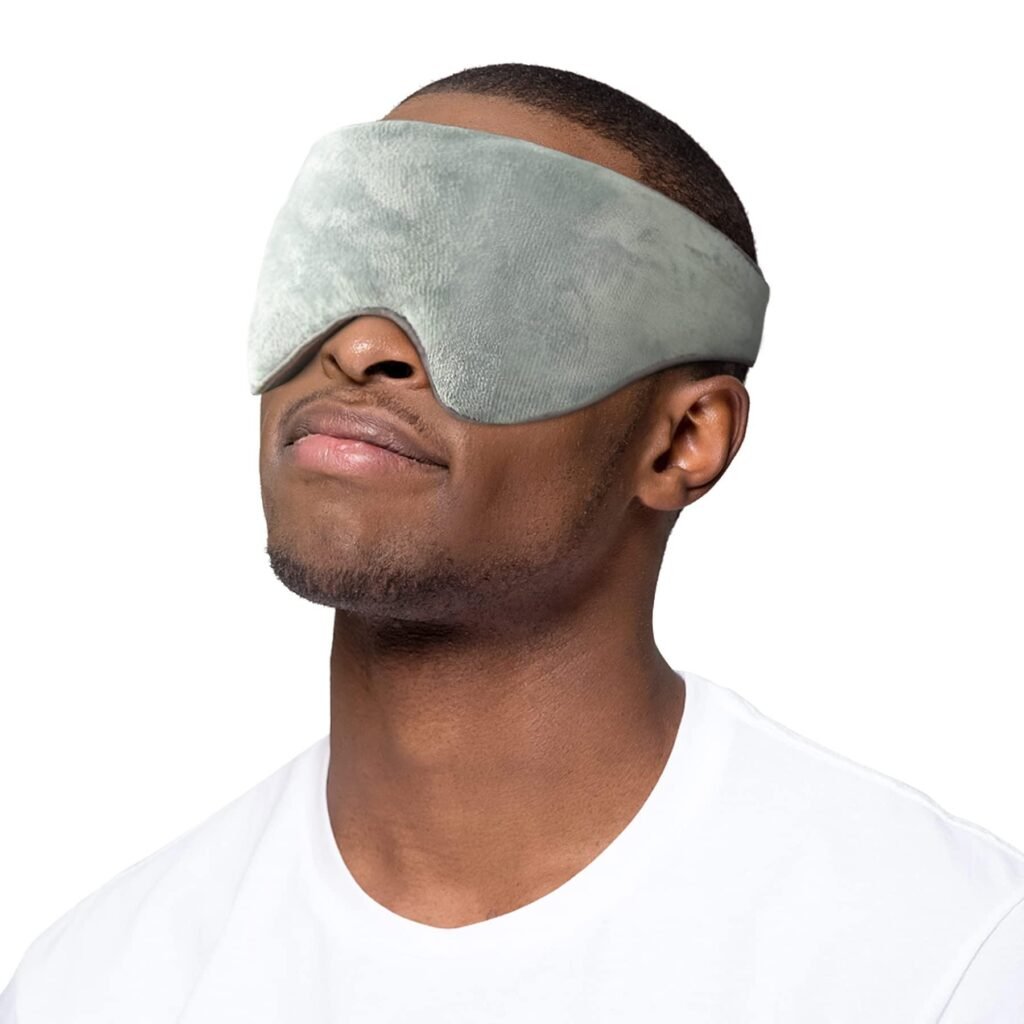
A classic weighted sleep mask with a more adjustable and personalized feel. It blends weight and blackout coverage well.
Key Features
- Adjustable headband
- Weighted design with comfort fabric
- Standard blackout
Pros
- Good balance of weight and comfort
- Blackout coverage
- Comfortable for many users
Cons
- Weight may not be enough for users desiring deeper pressure
- Less widely reviewed
Best For: Sleepers who want adjustable comfort plus mild pressure.
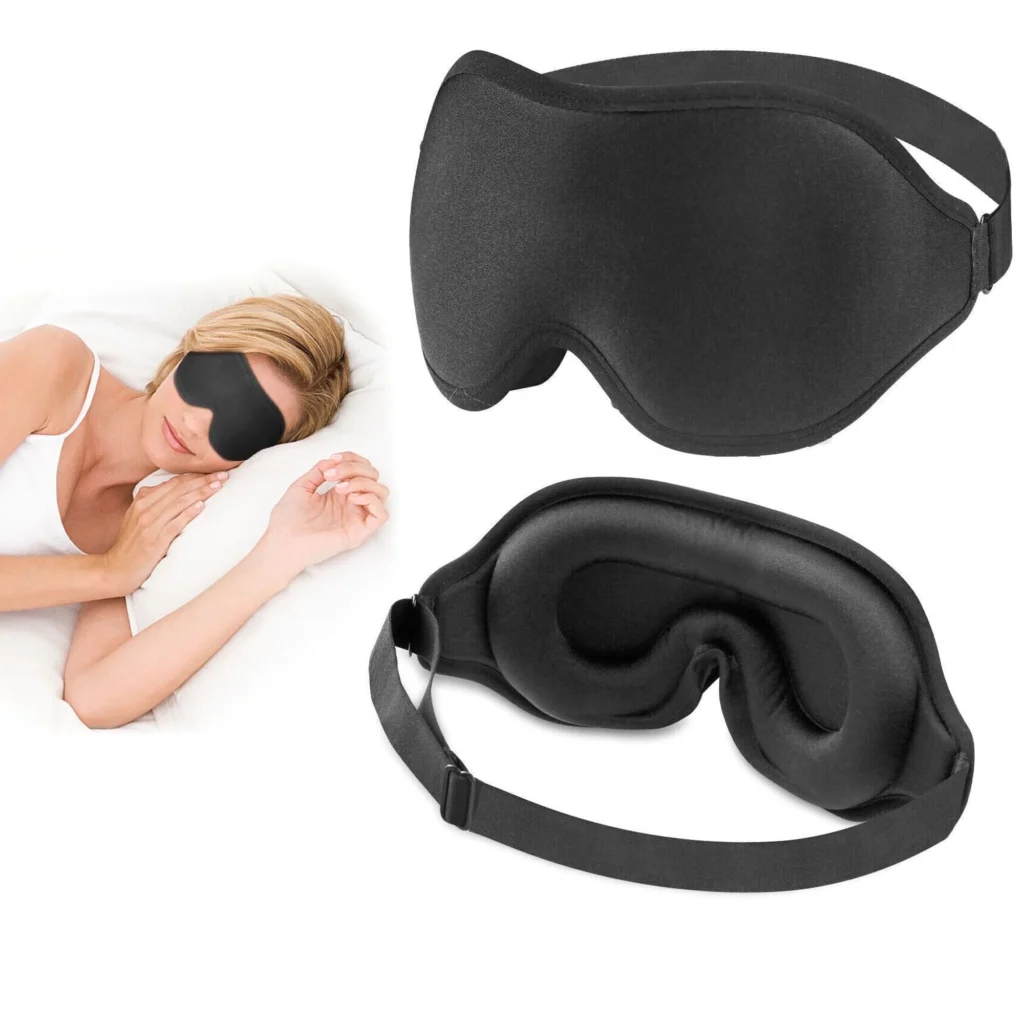
Budget-friendly weighted sleep mask with comfortable memory foam and blackout design.
Key Features
- Memory foam blend
- Comfortable coverage
- Light blocking
Pros
- Great price for entry-level users
- Comfortable and breathable
- Good blackout effect
Cons
- Weight is lighter than premium masks
- May feel warm
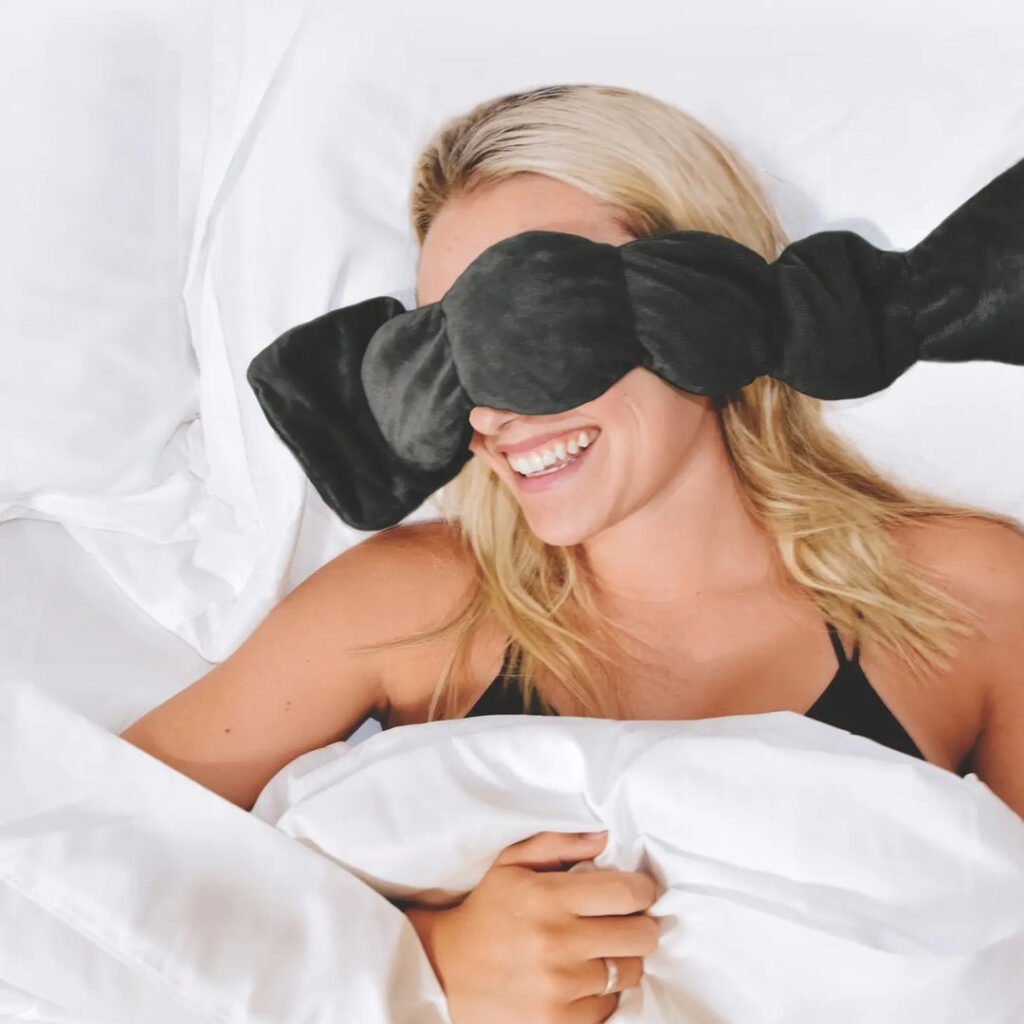
A practical and affordable weighted mask with blackout design and adjustable fit.
Key Features
- Double-sided usability
- Adjustable strap
- Weighted blanket-style comfort
Pros
- Great value
- Comfortable fit
- Effective light reduction
Cons
- Less intense weight
- Basic design
Best For: Budget users and travelers.
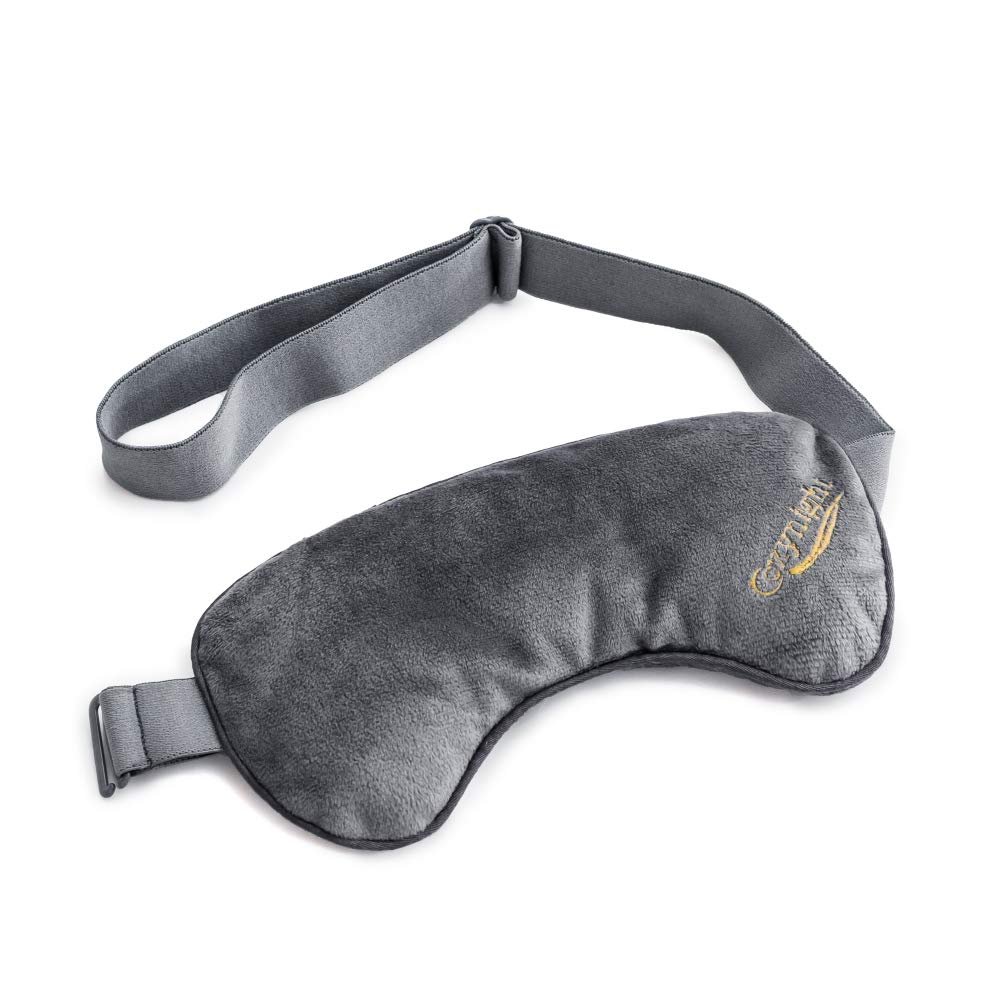
A light, breathable weighted mask that’s ideal for beginners or users sensitive to heavy pressure.
Key Features
- Soft fabric
- Lightweight weight
- Comfortable blackout
Pros
- Comfortable for naps and overnight use
- Great for mask beginners
- Affordable
Cons
- Weight may be too light for some
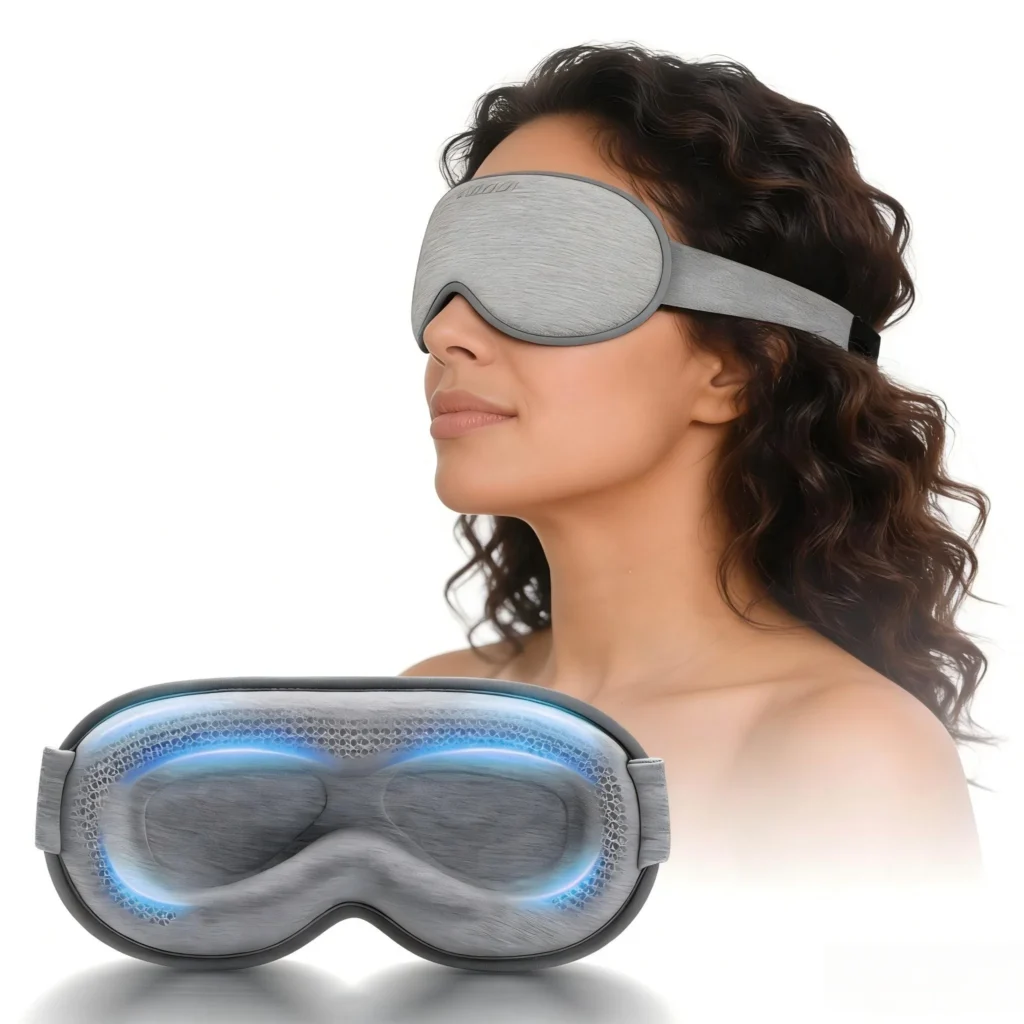
Ultra-budget weight mask for simple, gentle pressure and complete light blocking.
Key Features
- Washable material
- Simple design
- Light blackout
Pros
- Very affordable
- Effective blackout
- Comfortable basic feel
Cons
- Minimal weight
- Best as a light pressure option
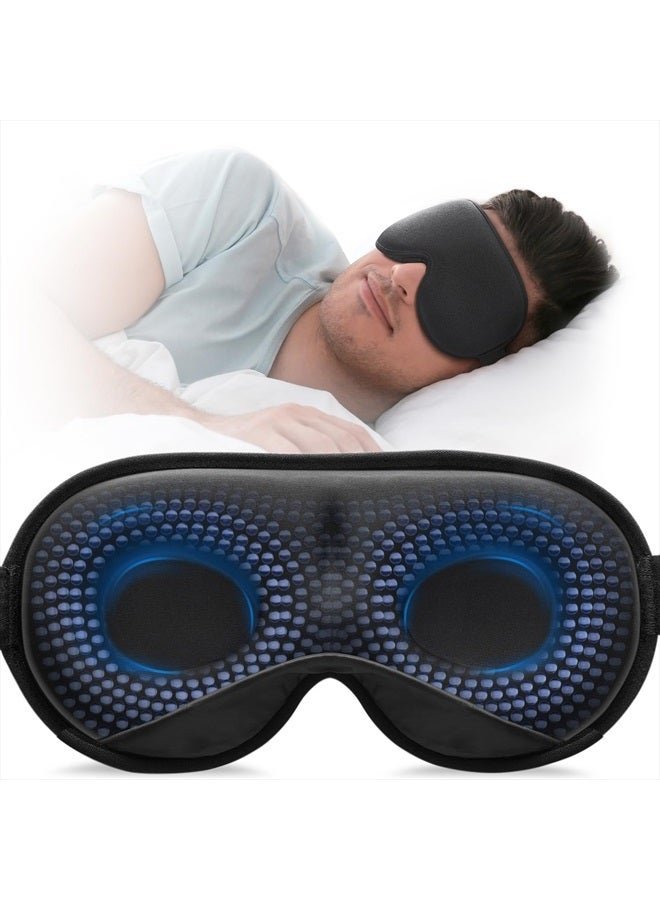
Adjustable and contoured weighted mask with solid light blocking.
Key Features
- 3D contoured design
- Adjustable strap
- Comfortable coverage
Pros
- Good blackout
- Adjustable fit
- Comfortable for many
Cons
- Limited reviews
- Weight not intense
Best For: Light sleepers who want simple, adjustable comfort.
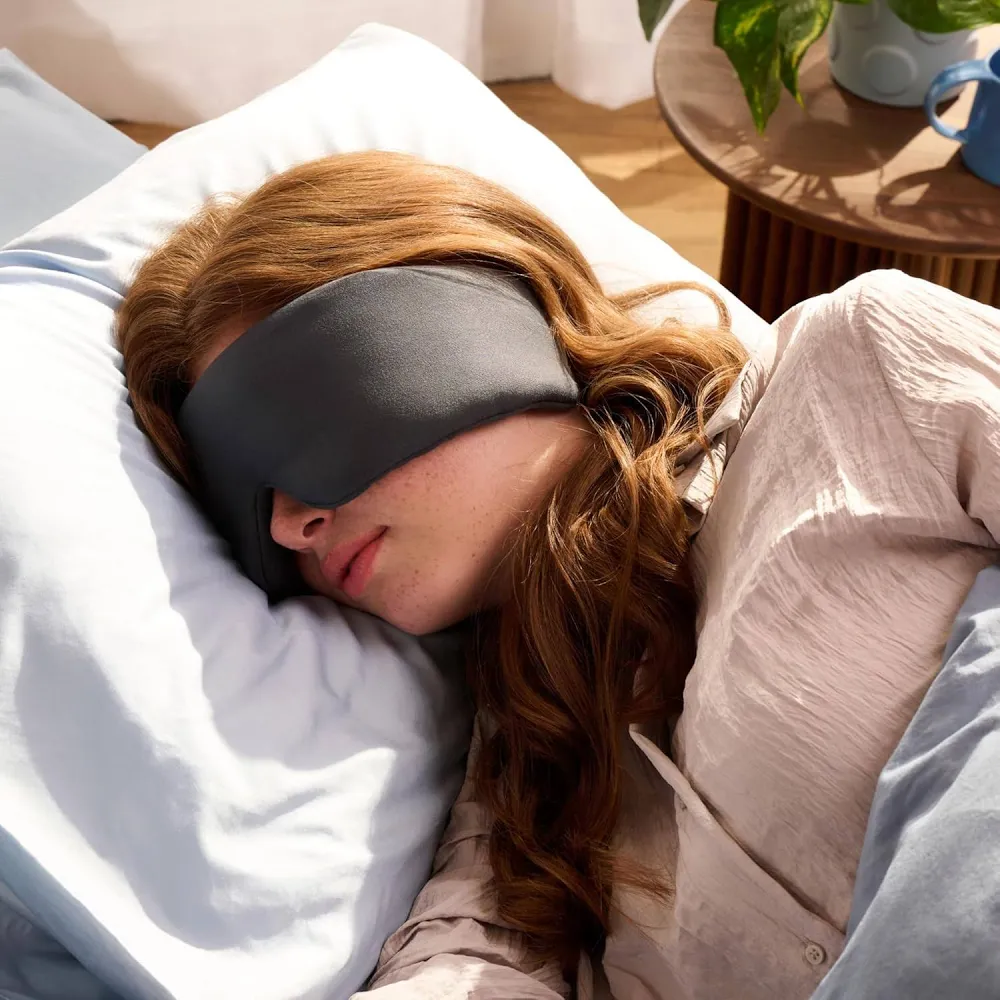
A premium, deep-pressure mask crafted with luxury materials and thoughtful design. It provides heavier DPS and a cozy feel.
Key Features
- Balanced weight distribution
- Full blackout comfort
- Premium breathable fabric
Pros
- Excellent for deep pressure seekers
- Supports relaxation
- High-quality materials
Cons
- Higher price
- May feel warm
Best For: Sleepers looking for a premium sleep mask experience.
How to Use a Weighted Sleep Mask Effectively
For maximum benefit:
- Pair with a consistent bedtime routine — dim lights, calm audio.
- Pair with herbal sleep tea or guided meditation.
- Wear for 20–30 minutes before sleep onset.
- Position gently — not tight — over eyes and temples.
- Combine with blackout curtains for contextual sleep cues.
Conclusion: Do Weighted Sleep Masks Really Improve Deep Sleep?
The evidence suggests that weighted sleep masks may help support relaxation, reduce stress, improve sleep onset, and block light, making them a valid tool within an overall sleep hygiene strategy. While clinical research specifically on weighted masks is still emerging, the mechanisms of deep pressure stimulation and melatonin support through blackout are scientifically supported.
Weighted sleep masks are not a magic cure for clinical insomnia, but for many individuals, they are a gentle, low-risk solution that fits well with holistic sleep rituals — complementing calming audio, bedtime herbal teas, and consistent routines.
While research specific to weighted sleep masks is limited, studies in sensory science and sleep physiology provide insight into how gentle pressure affects the body.
These combined effects build a biological foundation for why weighted sleep masks may support better sleep when used consistently.